

Probiotics are often hailed as a must-have supplement for gut health, but a common question many people ask is: Should You Take Probiotics Daily? Whether you’re using them for digestion, immunity, or mental clarity, understanding daily probiotic use is essential.
So, Should You Take Probiotics Daily? The short answer is yes—for most people, it’s safe and beneficial. Let’s explore the full story so you can decide if a daily routine is right for you.
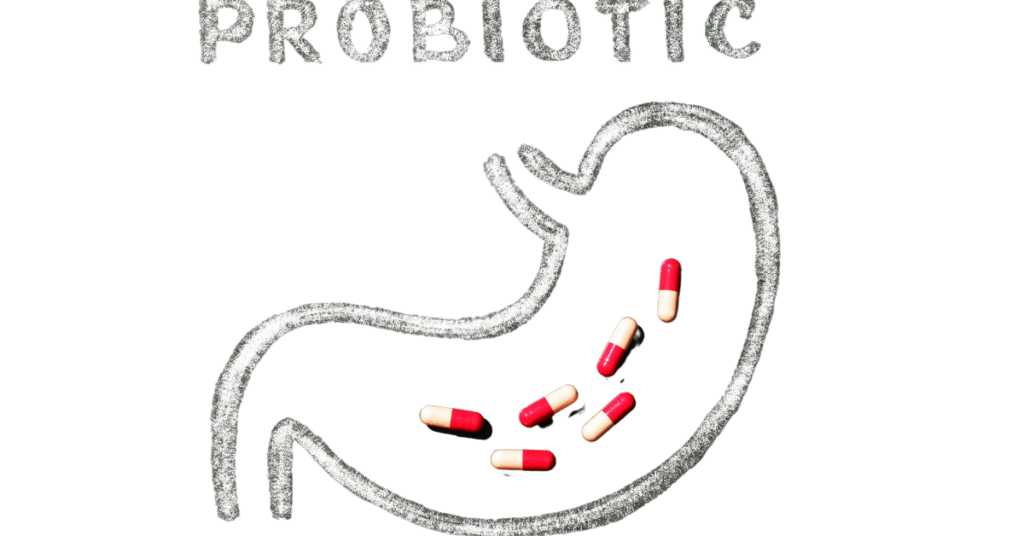
Probiotics are live, beneficial bacteria and yeasts that support a healthy gut. They are naturally present in the digestive tract and can also be found in yogurt, fermented foods, probiotic drinks like kefir and kombucha, and dietary supplements.
If you’re asking yourself, Should You Take Probiotics Daily?, remember your gut microbiome affects not just digestion, but also your immunity, mood, and metabolism.
Many scientific studies say yes—daily intake helps maintain consistent gut flora, reduce inflammation, and support regular bowel movements. For most healthy individuals, taking them every day poses no risk.
Some people should consult a doctor first, including those with compromised immune systems, recent major surgery, or serious illness such as cancer. Even if you’re wondering, Should You Take Probiotics Daily?, the answer may depend on your health condition.
Still debating, Should You Take Probiotics Daily? Consider these potential benefits:
Daily probiotics can reduce bloating, gas, and symptoms of IBS. Regular use helps defend against infections, especially in the gut. The gut-brain connection means better focus, mood, and even less anxiety. Certain strains support fat metabolism and appetite control, helping with weight management.
While daily probiotic use is mostly safe, some mild side effects like bloating or changes in bowel habits may occur. These effects usually fade within a few days as your gut adjusts.
Also, quality matters. If you’re asking, Should You Take Probiotics Daily?, make sure you’re choosing a high-quality supplement with 10–50 billion CFUs and multiple clinically proven strains.
There’s no evidence that taking breaks from probiotics improves effectiveness. In fact, stopping may allow bad bacteria to grow again. If your gut health is compromised, consistency is especially important.
Rotating probiotic strains every few months can be helpful in supporting microbial diversity, but pausing altogether is not necessary. If you’re thinking, Should You Take Probiotics Daily Without Breaks?, the answer is generally yes.
If you’re answering yes to Should You Take Probiotics Daily?, here are some helpful tips:
Take your probiotics on an empty stomach to help more bacteria survive. Include prebiotic foods like bananas, garlic, onions, asparagus, and oats to feed the probiotics. Avoid processed foods and sugar, which can feed bad bacteria and undo the benefits.
Supplements and fermented foods both offer value. Supplements give you targeted strains and consistent dosages. Fermented foods like kimchi, sauerkraut, and kefir provide natural nutrients and fiber.
The best approach is to use both food and supplements together to fully support your gut. That’s a solid yes to the question: Should You Take Probiotics Daily?
Let’s quickly address some common questions about probiotic use.
Should You Take Probiotics Daily long-term? Yes, most people can safely take them for years.
Should You Take Probiotics Daily in the morning? Yes—30 minutes before breakfast or 2 hours after eating works best.
Will they lose effectiveness over time? No, as long as they’re stored properly. Rotating strains can help improve results.
Should children take probiotics daily? Yes, but use child-specific strains and consult a pediatrician.
If I eat fermented foods, should I still take probiotics daily? Yes. Fermented foods help, but they don’t usually deliver the same potency as supplements.
So, once again—Should You Take Probiotics Daily? For most people, the answer is a clear yes. Daily use supports digestion, immunity, mental clarity, and even metabolism.
But it’s not just about taking any probiotic—choose the right strains, in the right dosage, and stick with it.
If you’re unsure which probiotic to start with, consult a nutritionist or healthcare provider. Making an informed decision about Should You Take Probiotics Daily? can lead to long-term improvements in your overall well-being.